Are Dental Implants Worth the Cost?
- 1. Are Dental Implants Worth the Cost?
- 2. What Makes Dental Implants Different from Other Options?
- 3. The Long-Term Value of Dental Implants
- 4. Quality of Life Considerations
- 5. Who Is a Good Candidate for Dental Implants?
- 6. Implants and Insurance: What to Expect
- 7. Schedule a Dental Implant Consultation
- 8. Frequently Asked Questions
Are Dental Implants Worth the Cost?
If you are missing one or more teeth and have started exploring your options, you have probably noticed that dental implants tend to come with a higher upfront investment than other solutions. That naturally raises a question worth taking seriously: are they actually worth it?
At Different Dental in Woodridge, IL, Dr. Stephen Martin has helped many patients work through this decision. The answer depends on your individual situation, your oral health, and what matters most to you in terms of comfort, function, and long-term care. This article walks through the key considerations so you can approach that conversation with a clearer picture.
What Makes Dental Implants Different from Other Options?
When a tooth is lost, there are a few ways to address the gap. Dental bridges and removable dentures are common alternatives, and both can restore the appearance and some function of a missing tooth. Implants, however, work differently at a fundamental level.
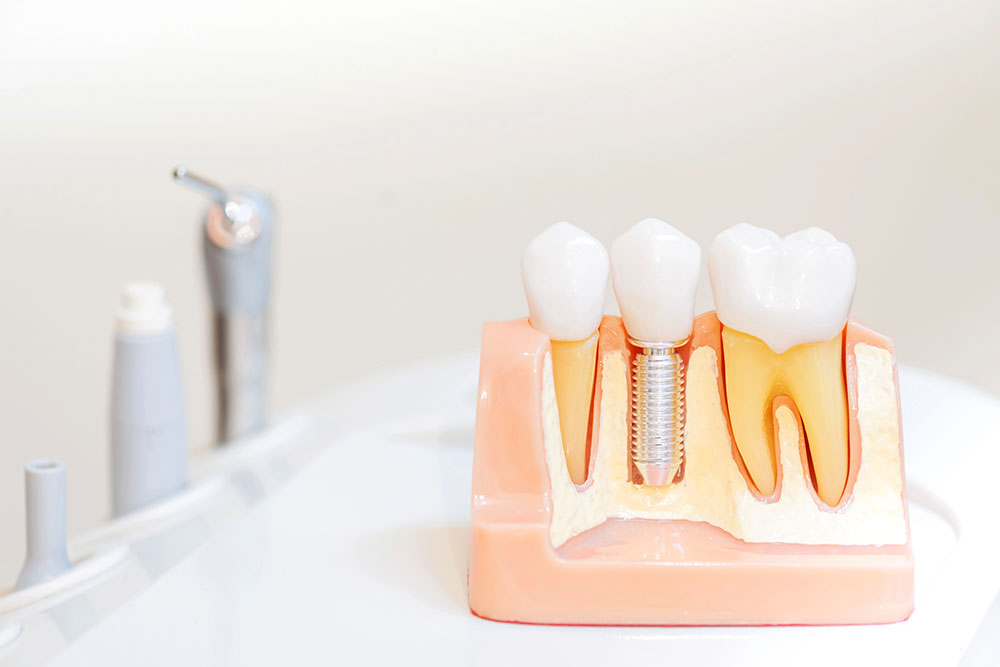
A dental implant replaces not just the visible crown of the tooth but also the root beneath it. A small titanium post is placed into the jawbone, where it integrates with the surrounding bone over time. This creates a stable, permanent foundation that functions much like a natural tooth root. Our dental implants and overdentures at Different Dental are designed to restore both the look and the function of the original tooth as closely as possible.
That distinction matters because the root plays a role that goes beyond simply holding the tooth in place. It stimulates the jawbone with each bite, which helps maintain bone density over time. When a tooth is lost and the root is not replaced, the bone in that area can gradually begin to shrink, which can affect the appearance of the face and the stability of neighboring teeth.
The Long-Term Value of Dental Implants
One of the most common reasons patients reconsider implants after seeing the initial cost is longevity. With proper care, dental implants can last many years – often a decade or more, and in many cases much longer. Other restorations, by comparison, typically require replacement or adjustment over time.
Bridges, for example, rely on the adjacent teeth for support, which means those neighboring teeth must be shaped down to accommodate the restoration. Over the years, bridges may need to be replaced and the supporting teeth can become susceptible to additional wear or decay. Removable dentures require periodic refitting as the shape of the jaw changes, and many patients find them less comfortable or secure than they would like.
When you factor in the potential costs of replacing or adjusting alternative restorations over the years, the long-term math on implants often looks different from the upfront number. That is a conversation worth having with Dr. Martin at your consultation, where he can speak specifically to your situation.
Quality of Life Considerations
Beyond longevity and bone health, many patients cite the day-to-day experience as one of the most meaningful advantages of implants. Because the implant is anchored into the bone, it feels and functions like a natural tooth. There is no removal for cleaning, no adhesive, and no concern about the restoration shifting when eating or speaking.
Patients who previously avoided certain foods because of the discomfort or instability of a removable appliance often find that implants restore that freedom. The confidence that comes with a stable, natural-looking smile is something many patients describe as unexpectedly significant to their quality of life.
This is not to say that implants are the right choice for everyone. Some patients have health conditions or bone density concerns that make them better candidates for other solutions, or they may prefer to pursue a bridge or denture for personal reasons. The goal of a consultation is to understand your individual circumstances and present the options honestly.
Who Is a Good Candidate for Dental Implants?
Candidacy for implants depends on several factors, including the health of your gums, the density of your jawbone, and your overall medical history. In general, good candidates are adults in reasonable oral health who have enough bone to support an implant and do not have conditions that could interfere with healing.
Some of the factors Dr. Martin will evaluate during your consultation include:
- The health of the gum tissue surrounding the implant site
- Jawbone density and whether it is sufficient to support an implant
- Any existing conditions that could affect healing, such as uncontrolled diabetes or active gum disease
- Whether there are adjacent teeth that could be affected by the placement
If your gum health needs attention before implant placement is appropriate, Dr. Martin will address that first. Healthy gums are the foundation for a successful implant outcome. Regular cleanings and check-ups are also important for maintaining the long-term health of your implants and your surrounding teeth after placement.
Implants and Insurance: What to Expect
Dental implant coverage varies widely depending on the insurance plan. Some plans include partial coverage for implants, particularly when the tooth loss is the result of an accident or a medically necessary extraction. Others classify implants as a cosmetic or elective procedure and do not cover them.
At Different Dental, we work with patients before treatment begins to review their coverage and discuss payment options. If you are uncertain about what your plan covers, our team can help you understand your benefits and explore what financing may be available. The goal is to make sure cost is not the only factor driving a decision that will affect your oral health for years to come.
Schedule a Dental Implant Consultation
If you are weighing your options for a missing tooth and want a clear, honest picture of whether implants make sense for you, Dr. Stephen Martin at Different Dental is here to help. We take the time to understand your health history, examine your bone and gum tissue, and walk you through the options that are actually appropriate for your situation – without pressure.
Our office is located at 6440 Main St Suite 310, Woodridge, IL 60517, and we are open Monday, Wednesday, and Friday from 8:00 AM to 5:00 PM, and Tuesday by appointment. Call us at 630-442-0833 to schedule your consultation. You can also explore our full range of dental services on our website.
Frequently Asked Questions
With proper care and regular dental visits, implants can last well over a decade – and in many cases much longer. The crown placed on top of the implant may need to be replaced at some point, but the implant post itself is designed to be a long-term solution.
The placement is performed under local anesthesia, so patients typically do not experience pain during the procedure itself. Some soreness and swelling in the days following are normal and generally manageable. Dr. Martin will provide guidance on what to expect during your recovery.
Yes. A single implant replaces a single tooth, but implants can also be used to support bridges that span a gap left by multiple missing teeth, or to anchor an overdenture when many teeth are missing. Dr. Martin will discuss the configuration that makes sense for your specific situation during your consultation.
Leaving a gap untreated can lead to several issues over time, including shifting of the adjacent and opposing teeth, changes in bite alignment, and gradual bone loss in the area where the root once was. Addressing the missing tooth sooner rather than later generally leads to a more straightforward treatment and better long-term outcome.
The right choice depends on your specific circumstances. A dental bridge can be a good solution in certain situations, and it does not require surgery. However, bridges require reshaping the teeth on either side of the gap and do not address the underlying bone loss that occurs when a root is absent. Implants preserve bone and do not affect neighboring teeth. Dr. Martin will help you understand which option best fits your oral health needs.
Disclaimer
This content is intended for general informational purposes only and does not constitute medical or dental advice. Every patient’s situation is unique, and treatment experiences may vary. Please consult with a qualified dental professional for guidance specific to your individual needs and circumstances.